

Environmental groups are calling for federal protection for Limulus polyphemus, the Atlantic horseshoe crab.

Horseshoe, Moon
And so, for Limulus polyphemus,
the Atlantic horseshoe crab,
it is true, as it is for all the others—
each existing also as themselves,
before there was a word for crab,
or moon. Or me, or you.
Before their lifeblood filled our vials
to protect us from deadly infections,
and their bodies gave us an essential
ingredient for our vaccines,
before their spawning grounds fell prey
to development & erosion,
and they were used as bait in traps set
for whelks sold to five-star restaurants,
before they were overharvested all along
the coast from Cape Cod to Virginia,
Even before their eggs became vital
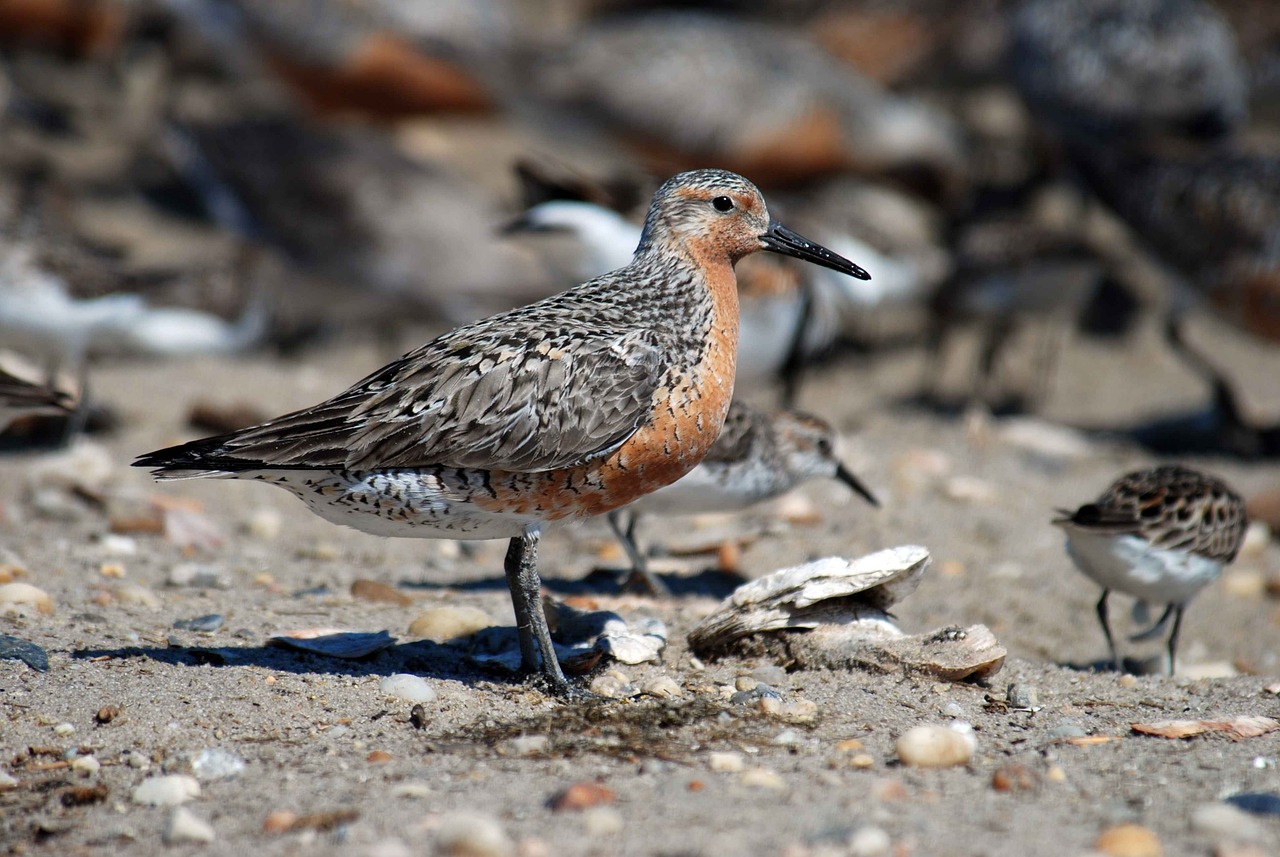
sustenance for intrepid red knots
migrating thousands of miles
on winged journeys to & from the Arctic,
stopping only briefly on the salt flats
in Delaware Bay to refuel—
each becoming part of an ever-brine
ecosystem, an ebb & flow of currents,
of wind, of ocean—before all this,
& after, too;
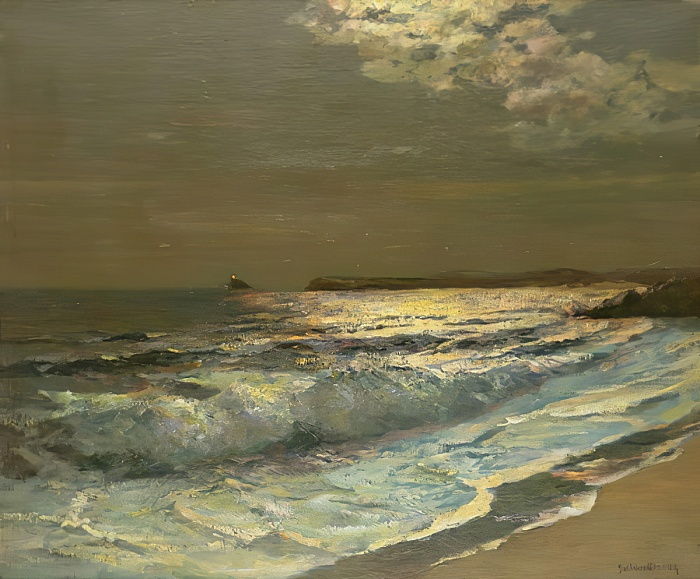
When that key-lime moon grows so full
that lunar tides race along the sand,
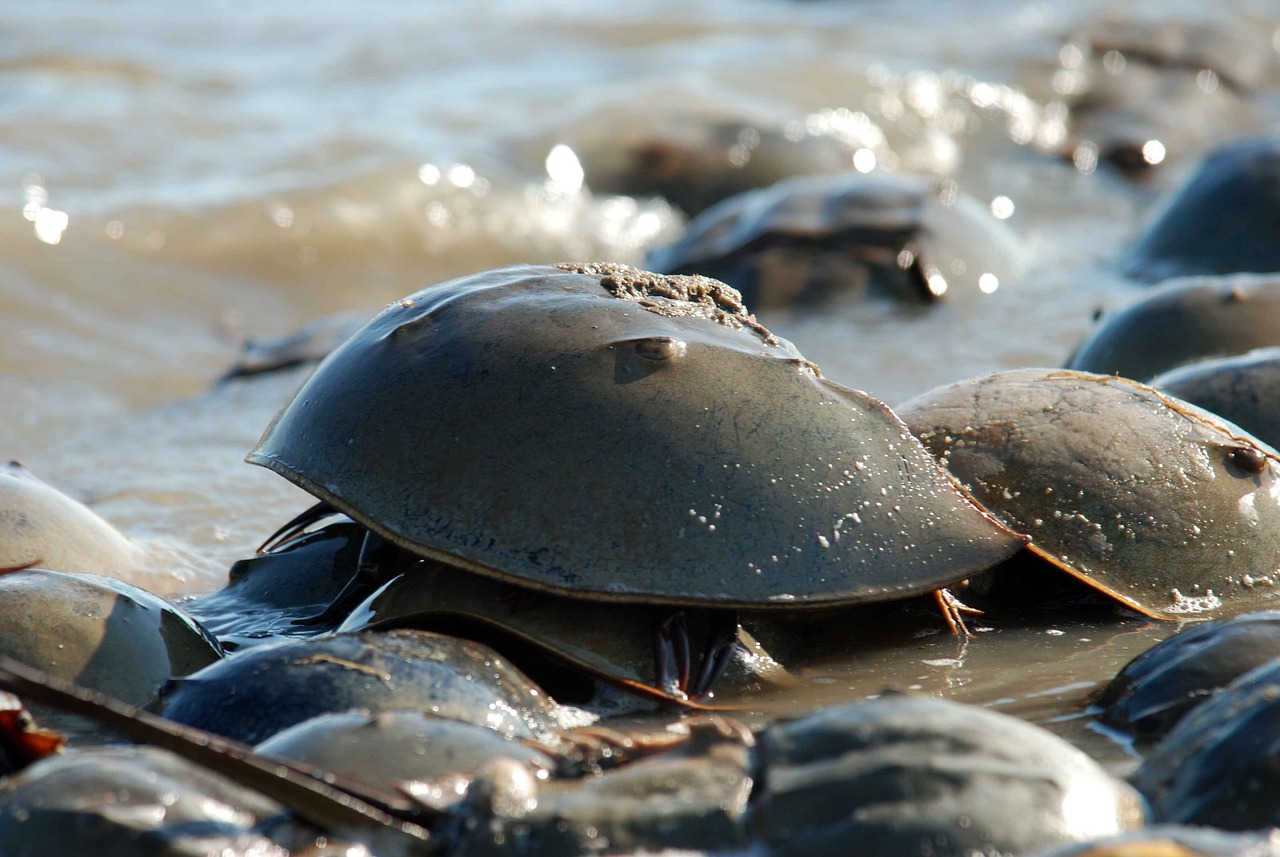
these ancient mariners will emerge
from the sea, from time immemorial,
in the verdigris bays and estuaries
of the churned-silt, gull-streaked Atlantic
to beach themselves in the coastal coves,
casting their smooth bronze exoskeletons
into the star-tossed surf, a sun-gilded sea
which they have loved without ceasing
for four-hundred million years,
until their soft, blue-blooded under-bodies
and crescent shells like copper canyons
rest once again upon the barnacled shore
made new each May by the crashing waves,
by the full-blossom moon—
to beguile, to charm, & to join at last
in a primordial echo
of the world’s first
windswept
love.
“Horseshoe, Moon” was first published in Canary: A Literary Journal of the Environmental Crisis (Winter 2023/24).
 jenevievecarlyn.com